
How to Check Legal Access Before You Buy Land
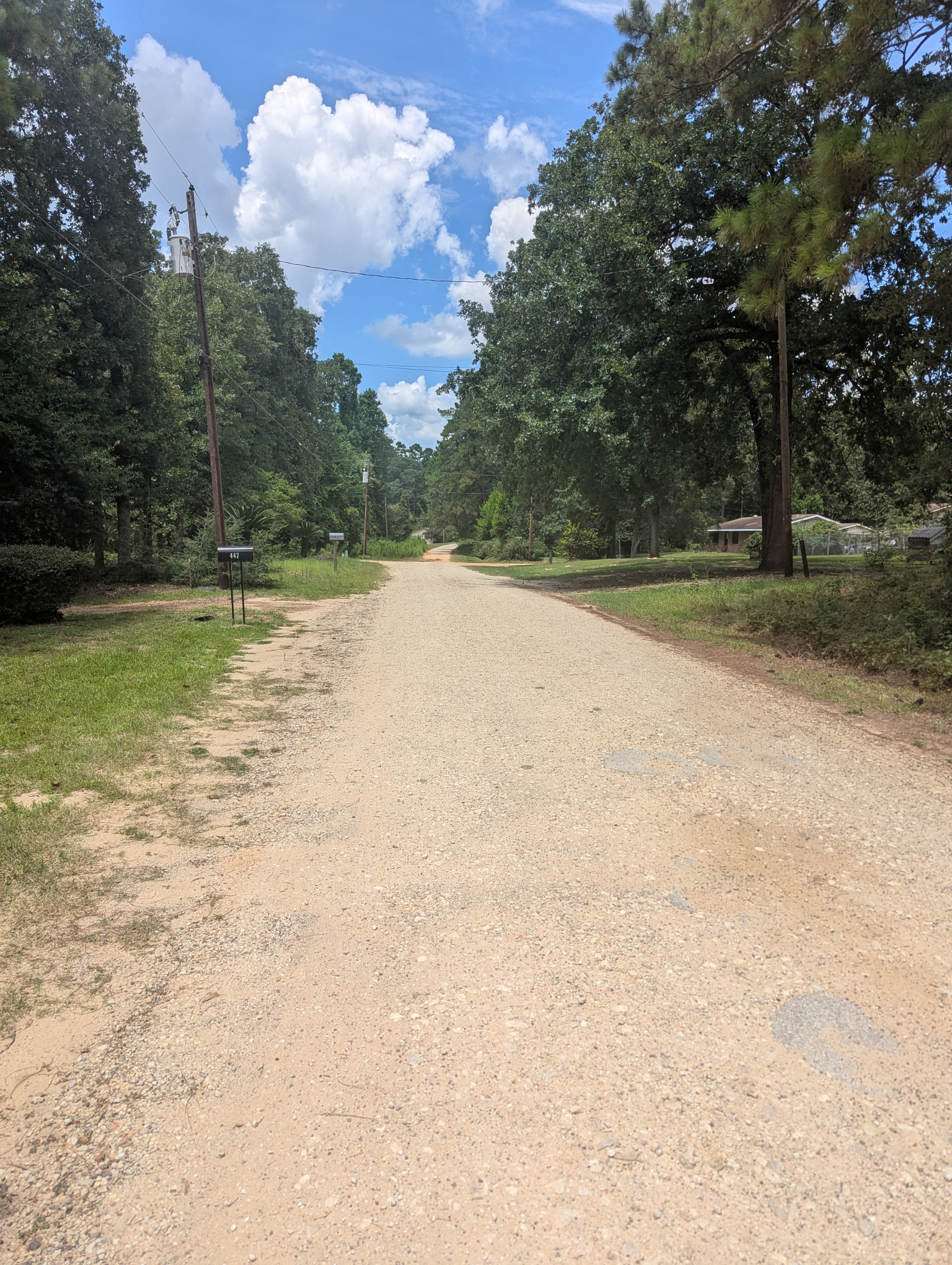
Here's a situation nobody wants to be in. You buy a lot, drive out to see it, and find out the only way in crosses somebody else's land. And that somebody doesn't want you on it.
That's an access problem, and it's one of the most important things to check before you buy raw land. Let's talk about how to do it.
Physical access vs legal access
These are two different things, and people mix them up all the time.
Physical access means you can actually get there. There's a road, a trail or a gap in the trees you can drive through.
Legal access means you have the right to get there. The road is public, or there's a recorded easement that lets you cross someone else's land.
You can have one without the other. A dirt track might lead right to your lot, but if it crosses private land and there's no easement, you may not have a right to use it. On the other side, a lot can have legal access on paper through a road that was platted but never built. You have the right to get there, but there's nothing to drive on.
You want both.
What landlocked means
A landlocked parcel is one with no legal access to a public road. It's surrounded by other people's property.
Landlocked land is often cheap, and there's a reason. It can be hard to use, hard to build on and hard to sell. How a landlocked owner might get access later depends on local law and the neighbors, and it can get expensive. That's a question for a real estate attorney, not a blog post.
My advice is simple. Unless you really know what you're doing, don't buy landlocked land.
How to check access yourself
Here's the order I'd go in.
- Look at the map. Pull the parcel up on the county GIS map or a parcel app. Does the lot touch a road? Or is it surrounded by other parcels?
- Look at the satellite view. Google Earth will show you whether there's an actual road or trail. It won't tell you if it's public.
- Find out who maintains the road. Call the county road department or the county commissioner's office and ask if the road is county maintained. If it's not, ask whether it's a public road, a private road or just a platted road on paper.
- Look at the plat. If the lot is in a subdivision, the recorded plat usually shows the roads. The county clerk can help you find it.
- Ask about easements. If access crosses someone else's land, ask the seller if there's a recorded easement and get a copy. A handshake deal with the neighbor isn't the same as a recorded easement.
Questions to ask the seller
A good seller won't mind these.
- Does the lot front a public road?
- Is that road maintained by the county, a POA, or nobody?
- If not, is there a recorded easement? Can I see it?
- Can a regular car get there, or do I need a truck?
What title companies and surveys can tell you
If you close through a title company, ask them about access. Title policies can treat access differently, so ask what's covered and what's not.
A survey can also show where the road actually sits compared to your property lines. Sometimes the road on the ground isn't exactly where the road on the plat is. I wrote more about both of these in Surveys and Title Companies.
Dirt roads are not a deal breaker
A lot of good land sits on dirt roads. Plenty of our West Texas lots do. A dirt road with legal access is a lot better than a paved road you have no right to use.
Just go in with your eyes open. Ask who maintains it, think about what it's like after a hard rain, and figure out whether your vehicle can handle it.
The bottom line
Check access before you fall in love with a lot. Look at the map, call the county, and ask for the easement if there is one. It's a few phone calls, and it can save you from owning a piece of land you can't get to.
If you're looking at one of our properties and want help figuring this out, call or text me at (817) 631-1858. I'll send you the property map, the GPS coordinates and the directions so you can see it for yourself.
Jarod
Heads up. I'm not a lawyer, a Realtor, a title agent or a financial advisor. I'm just a guy who buys and sells a lot of land. This post is general information from my own experience, not legal, tax or financial advice. Every state, county and deal is different, so talk to a qualified professional about your situation before you make a decision.
Looking for land?
Most of our properties come with simple owner financing. See what is for sale right now.
See land for sale