
Drilling a Water Well: What to Know Before You Call a Driller
A water well is one of those things that sounds simple. Drill a hole, hit water, done.
In real life, it's one of the biggest unknowns on raw land. It can be the best investment you make on the property, or a bigger bill than you planned for. Here's what I'd want to know before calling a driller.
Why a well is an unknown
The hard part about a well is that nobody knows exactly what's under your land until they drill.
Drillers usually charge by the foot. The deeper they go, the more it costs. They have a good idea from experience and from other wells nearby, but they can't promise exactly how deep they'll hit good water, or how much water the well will produce.
Then there's everything after the hole. A pump, a pressure tank, wiring, and power to run it. If you're off grid, that pump needs to run on solar or a generator.
I'm not going to give you a price, because it varies too much from place to place. Get quotes.
Start with the neighbors' wells
This is the best free research you can do.
Many states keep records of water wells that have been drilled. In Texas, there are well report databases you can search online. Those records often show how deep nearby wells went and how much water they found. It's not a guarantee for your lot, but it gives you a good idea.
You can also just ask. If there are homes nearby, they probably have wells. Neighbors are usually happy to tell you how deep theirs is and how the water tastes.
Questions to ask the county and the state
Rules for wells vary. Some areas have groundwater districts with their own rules. Some require a permit or registration. Some have rules about how far a well has to be from a septic system or property line.
So before you drill, call and ask.
- Do I need a permit or registration to drill a residential well here?
- Is there a groundwater district for this area?
- What are the setbacks from septic systems and property lines?
- Are there any limits on how much water I can pump?
Questions to ask a driller
When you call a driller, here's what I'd ask.
- How deep are wells typically going around this lot?
- How do you charge, and what's included in the quote?
- Does the quote include the pump, tank and wiring, or just the hole?
- What happens if you hit a dry hole?
- Can your rig get to the lot? Some rural roads are tough on big trucks.
- Do you handle the permits, or do I?
- How long is your wait right now?
Get more than one quote. Compare what's included, not just the total.
What about mineral rights?
People ask me this a lot. On our lots that don't come with mineral rights, a residential water well is still allowed. Water and minerals aren't the same thing.
Test the water
Once the well is in, get the water tested before you drink it. A local lab or the county can usually point you to someone. Depending on what's in it, you may need a filter or treatment system.
Plan B options
If a well isn't in the budget right away, you've got other options.
- Haul water. Simple and cheap to start. I wrote about it in Hauling Water and Catching Rain for Off Grid Land.
- Catch rain. A good add on in a lot of places.
- Pick a lot with water available. Sometimes the easiest well is the one you don't have to drill.
For more on utilities in general, see Power, Water and Septic on Raw Land.
A lot where you can skip the well
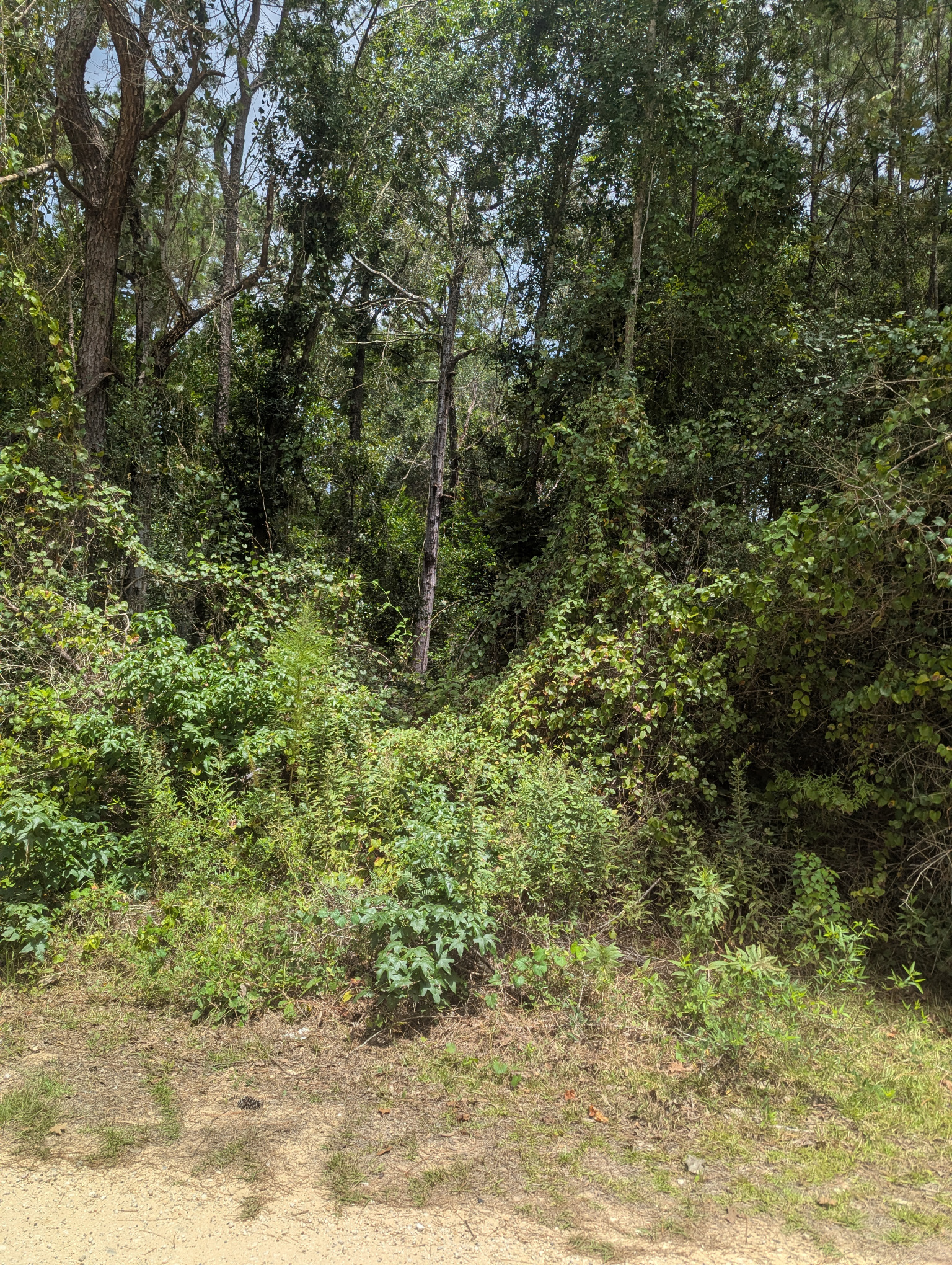
If drilling isn't your thing, our 0.34 acres on E Ivanhoe Dr in Lake Ivanhoe Section 3, Tyler County, Texas has electricity and water available to the lot. Septic is needed, and propane is the gas source. It's thick woods, so plan on some clearing. The POA fee is $6 per lot per year, and the community park and lake are private for members in good standing. Full time RV living isn't allowed, but it's a good spot for a weekend getaway or a future build. It's $11,899 cash, or $249 down plus the $249 doc fee, then $206 a month for 84 months. See it here.
Questions? Call or text me at (817) 631-1858.
Jarod
Heads up. I'm not a lawyer, a Realtor, a title agent or a financial advisor. I'm just a guy who buys and sells a lot of land. This post is general information from my own experience, not legal, tax or financial advice. Every state, county and deal is different, so talk to a qualified professional about your situation before you make a decision.
Looking for land?
Most of our properties come with simple owner financing. See what is for sale right now.
See land for sale