
How to Read a FEMA Flood Map in Five Minutes
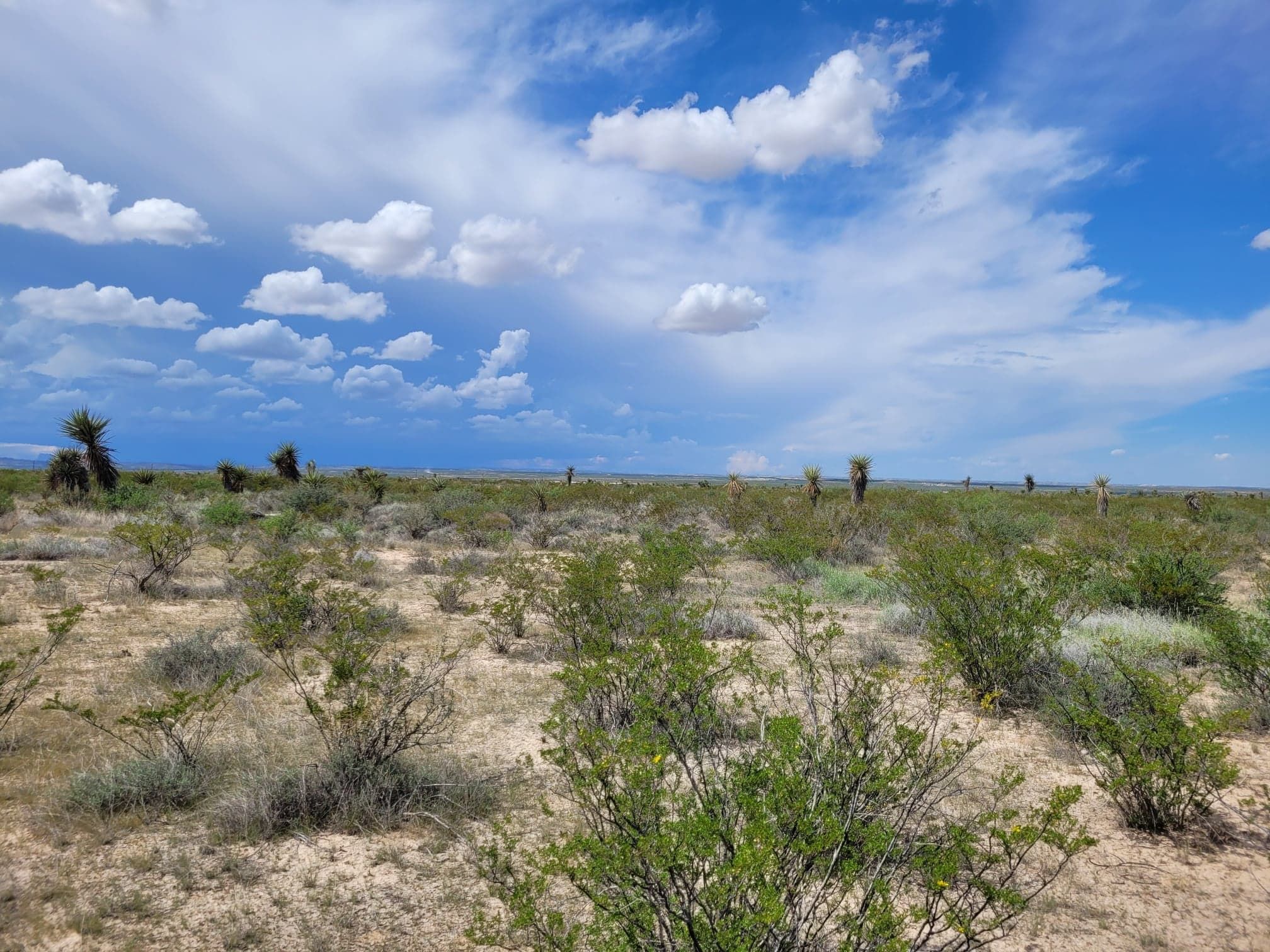
Water is one of the best things about land. A creek, a pond, a view of the lake. Water in the wrong place, though, is one of the worst things that can happen to a lot.
The good news is you can check a lot for flood risk yourself, for free, in about five minutes. Here's how I do it.
Where to find the map
FEMA, the Federal Emergency Management Agency, puts out the official flood maps for most of the country. You can find them at the FEMA Flood Map Service Center, msc.fema.gov.
Type in an address or move the map around until you find the lot. A lot of vacant land doesn't have an address, so this is where the GPS coordinates come in handy. Every listing of ours has a free property map with the corner coordinates, so you can drop those right in.
Many county GIS maps also have a flood layer you can turn on. Sometimes that's even easier to use.
The colors and zones
When you pull up the map, you'll see shaded areas and letters. Those letters are flood zones. Here are the ones you'll see most.
- Zone X (unshaded or lightly shaded). This is the lower risk area. Unshaded X is minimal risk. Shaded X is moderate risk, sometimes called the 500 year flood area.
- Zone A or AE (usually shaded blue). This is the high risk area, often called the 100 year floodplain. That name is a little misleading. It doesn't mean it floods once every 100 years. It means there's about a 1 percent chance of flooding in any given year. Over a long time, that adds up.
- Zone D. This means the area hasn't been studied. It's common in rural areas. It doesn't mean there's no risk. It means nobody has mapped it.
There are other zones too, especially along coasts. If you see one you don't recognize, the map legend will explain it.
What to look for on your lot
Once you find the lot, ask yourself three questions.
- Is any part of it in a shaded high risk zone? Sometimes it's the whole lot. Sometimes it's just a back corner along a creek.
- Where would you build or camp? If only a strip along the back is in the floodplain, and the front is high and dry, that may be fine for what you want.
- How old is the map? The map shows an effective date. Things change over time, so an older map may not tell the whole story.
What the map can't tell you
A flood map is a great starting point. It's not the final word.
It won't show every low spot, every drainage ditch, or every place that holds water after a big storm. Small creeks and dry washes in rural areas may not show up at all.
That's why I also like to look at the lot on Google Earth, look at the shape of the land around it, and if possible, see it in person or ask somebody who has. In desert country, a dry wash can look harmless most of the year. Pay attention to where water would go when it rains.
Why it matters for you
Being in a flood zone can affect a lot of things. Where you can build, what the county may require, and what insurance might cost if you build a home. Those rules vary, so if a lot shows up in a flood zone, call the county floodplain office or permit office and ask what it means for your plans. If you're going to build, talk to an insurance agent too.
I've walked a lot of lots, and I'll tell you a lot in a flood zone isn't automatically a bad buy. For camping, recreation or holding, it might not matter much. For building a home, it matters a lot. Know which one you're doing.
Try it on a real lot
Want to practice? Pull up our 10 acres at Salt Creek, about 12 miles southwest of Orla in West Texas. Grab the coordinates from the property map on the listing and run them through the FEMA site yourself. That's exactly how I'd want you to check any lot before buying, ours included.
For more on what to check before you buy, see How to Pick the Right Piece of Land.
Jarod
Heads up. I'm not a lawyer, a Realtor, a title agent or a financial advisor. I'm just a guy who buys and sells a lot of land. This post is general information from my own experience, not legal, tax or financial advice. Every state, county and deal is different, so talk to a qualified professional about your situation before you make a decision.
Looking for land?
Most of our properties come with simple owner financing. See what is for sale right now.
See land for sale