
POA vs HOA: What's the Difference on Raw Land?
You're scrolling land listings and you see "POA" on one and "HOA" on another. Are they the same thing? Should you care?
You should care. Not because of the letters, but because of what comes with them. Let's sort it out.
The short answer
An HOA is a homeowners association. A POA is a property owners association.
In everyday use, people swap the two names all the time. The basic idea is the same. It's a group that manages a community, sets rules, and usually charges dues.
The difference people usually point to is this.
- An HOA is often found in neighborhoods built around homes. Think suburban subdivisions with houses already up, shared landscaping and a long list of rules about what your house looks like.
- A POA is often found in communities where a lot of the property is lots or land. Think lake communities, rural subdivisions, or developments where people own lots and build over time.
That's a general pattern, not a rule. The name doesn't tell you much. What matters is what the association's documents actually say.
What an association can control
Every association is different. Depending on the documents, it may control things like these.
- Whether you can put an RV, mobile home or camper on the lot
- How long you can camp or stay
- Minimum home size or building style
- What you can store in your yard
- Use of shared amenities like a lake, park or clubhouse
- Yearly dues and how they go up
I talked about why some people love restrictions and some people run from them in Restricted vs. Unrestricted Land.
Dues are the big one
Dues can be a few dollars a year or a lot more. Some associations are pretty quiet and just maintain a park or a road. Others are very active and have bigger budgets.
Here's why this matters. Unpaid dues can become a real problem. Depending on the documents and local law, an association may be able to put a lien on a lot for unpaid dues. So if you're buying, ask whether the dues on the lot are current. You don't want to pick up the last owner's bill.
What to ask before you buy
If a lot has a POA or HOA, here are the questions I'd ask.
- What are the yearly dues, and how often have they gone up?
- Are the dues on this lot paid up?
- Can I get a copy of the rules, covenants and restrictions?
- What's allowed on the lot? RVs, camping, mobile homes, manufactured homes?
- Is there a minimum home size?
- What amenities are there, and do I get to use them?
- Who maintains the roads?
Get the answers in writing if you can, and read the documents yourself. If something is unclear, an attorney can help you understand it.
No association at all
A lot of raw land, especially out in the country, has no POA or HOA at all. No dues, no rules from an association, no one telling you what color your shed has to be.
That freedom comes with a trade. Your neighbors have the same freedom. And no association doesn't mean no rules. The county can still require permits for things like septic and building. Always call the county and ask.
Which one is right for you?
It depends on what you want.
If you want a quiet community with shared amenities and neighbors who keep things tidy, an association can be a good thing. If you want to camp, park an RV, build a cabin your way and not answer to anybody, look for land with no association.
An example with no HOA
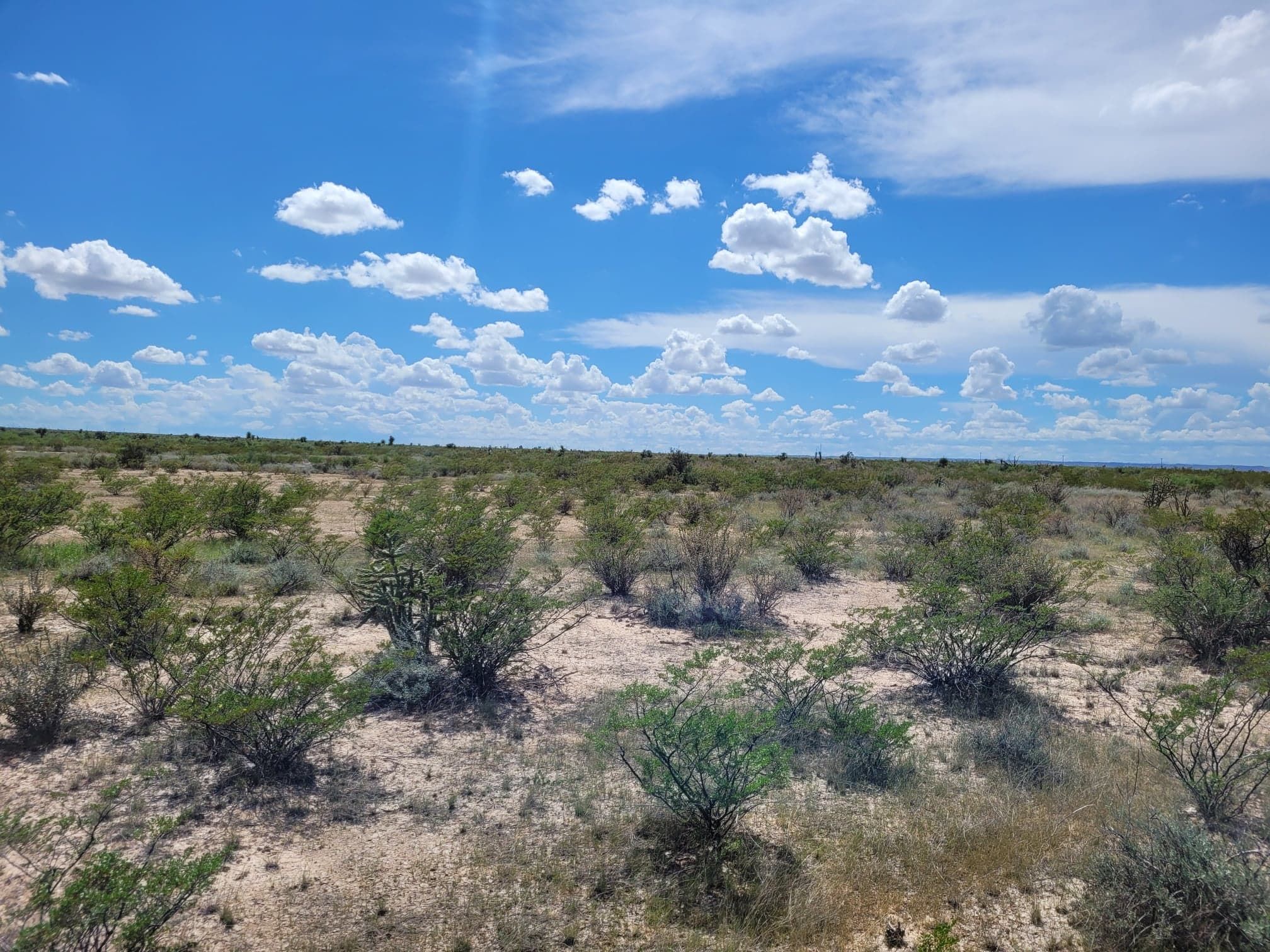
Our 10 acres at Salt Creek, about 12 miles southwest of Orla in West Texas, has no restrictions and no HOA. Taxes are under $20 a year. It's high desert with wide open views and some of the darkest night skies in Texas. There are no utilities, so you'd plan on solar or wind for power, hauling water or drilling a well, septic and propane. RVs and camping are allowed. It's $11,996 cash, or $399 down plus the $249 doc fee, then $201 a month for 60 months. See the listing here.
Questions? Call or text me at (817) 631-1858.
Jarod
Heads up. I'm not a lawyer, a Realtor, a title agent or a financial advisor. I'm just a guy who buys and sells a lot of land. This post is general information from my own experience, not legal, tax or financial advice. Every state, county and deal is different, so talk to a qualified professional about your situation before you make a decision.
Looking for land?
Most of our properties come with simple owner financing. See what is for sale right now.
See land for sale