
What Is a Perc Test and Do You Need One?
If you're buying land without city sewer, sooner or later somebody's going to say the words "perc test." And most people nod like they know what that means.
Don't worry. I didn't know either when I started. Let's break it down.
What a perc test is
Perc is short for percolation. A perc test measures how fast water soaks into the soil on your lot.
Why does that matter? Because a septic system works by sending wastewater out into the ground, where the soil filters it. If the soil soaks it up too slowly, the system can back up. If it soaks it up too fast, the water may not get filtered enough. The test helps figure out what kind of system will work and how big it needs to be.
I touched on this in my post on power, water and septic. This one goes a little deeper.
How it's done
The details depend on where you are, but the general idea is the same.
Someone digs one or more holes on the lot, usually where the septic system would go. They fill the holes with water and measure how long it takes for the water level to drop. Some places also look at a soil profile, which means digging deeper to see the layers of soil, rock and water underneath.
The results go into a report. That report is used to design the septic system and get the permit.
Who does it
This depends on where the land is. In some places a licensed septic designer or site evaluator does the test. In others, it involves the county or the state health department.
The easiest way to find out is to call the county and ask, "Who handles septic permits for a lot at this address?" They'll point you in the right direction. If you're in Texas or Arkansas, it may be the county, the state health department, or a local office acting for them. It varies, so ask.
Do you need one?
Here's the honest answer. If you plan to put in a septic system, you'll probably need some kind of soil test before you can get a permit.
If you're just camping, hunting or holding the land, you may not need one at all right now.
So it comes down to what you want to do with the land.
- Building a home without city sewer? Plan on it.
- Bringing in a manufactured home? Usually plan on it, since it'll need septic.
- Weekend camping or holding for later? Probably not yet. You can deal with it when you're ready to build.
Should you do it before you buy?
On a bigger purchase where you're definitely building, getting a soil test before you close can make a lot of sense. You'll know what you're dealing with before you commit.
On a smaller lot, a lot of people buy first and test later. The risk is that the soil turns out to need a more expensive system than you expected. That's a real cost, so get some quotes from local installers before you buy if you can. They often know the soil in the area and can tell you what's typical.
What affects the results
A few things can make a test harder to pass, or lead to a more expensive system.
- Heavy clay. Water moves slowly through it.
- Rock close to the surface. Not much room for the water to soak in.
- A high water table. The ground is already wet underneath.
- A small lot. Less room for the field lines, plus setbacks from wells, property lines and water.
None of these automatically kill a lot. There are other types of systems that can work. They just tend to cost more. That's why the call to the county and a quote from an installer are worth it.
A lot where this applies
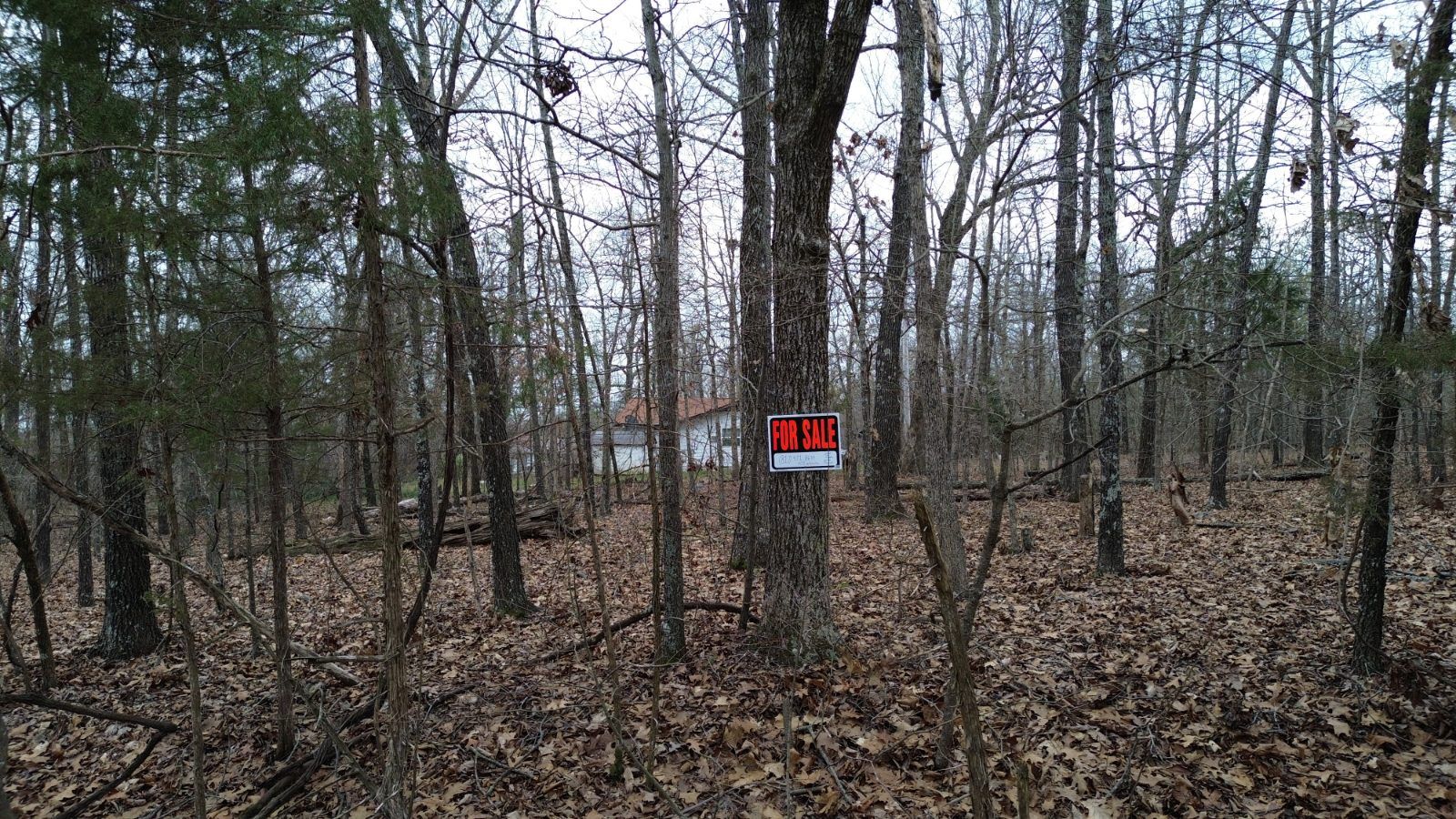
Our quarter acre at 901 White Oak in Horseshoe Bend, Arkansas has electricity and water available, and septic is needed. It's set up for site built homes of 800 square feet or more, with homes already built nearby. If you're thinking about building there, a call to the county about septic is a great first step. It's $3,000 cash, or $75 down plus the $249 doc fee, then $75 a month for 39 months. See the listing here.
Got questions? Call or text me at (817) 631-1858.
Jarod
Heads up. I'm not a lawyer, a Realtor, a title agent or a financial advisor. I'm just a guy who buys and sells a lot of land. This post is general information from my own experience, not legal, tax or financial advice. Every state, county and deal is different, so talk to a qualified professional about your situation before you make a decision.
Looking for land?
Most of our properties come with simple owner financing. See what is for sale right now.
See land for sale