
Septic Systems 101 for Land Buyers
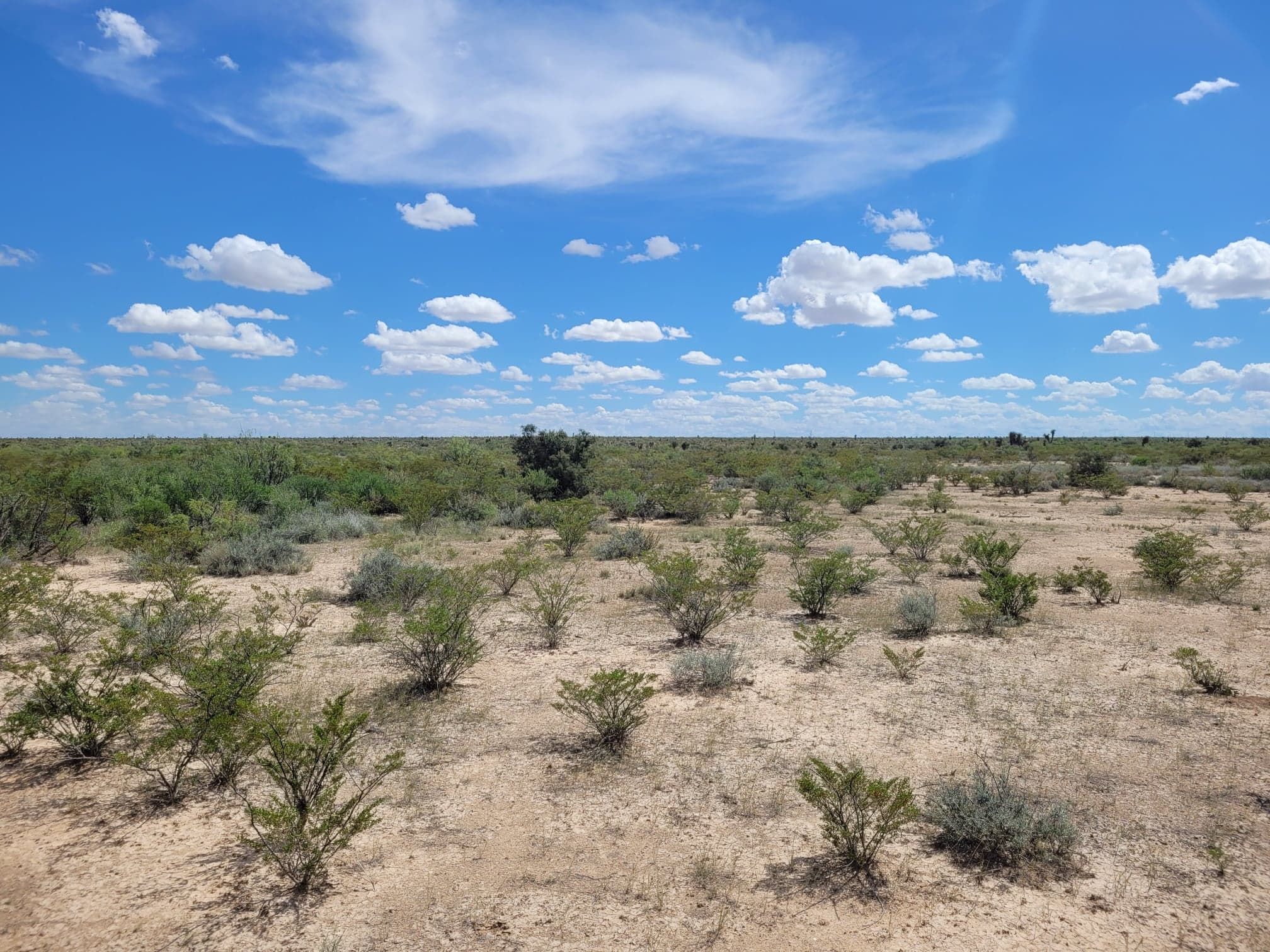
If you buy raw land, there's a good chance you'll need a septic system someday. Most of the land I sell doesn't have city sewer.
Septic scares some people. It doesn't need to. Here's the plain English version of what it is and what to ask before you buy.
What a septic system is
A septic system is your own little sewer plant, buried in your yard.
A basic system has two main parts.
- The tank. Everything from your house drains into a buried tank. Solids settle to the bottom, and the lighter stuff floats to the top. Bacteria in the tank break a lot of it down.
- The drain field. The liquid flows out of the tank into a set of pipes buried in the ground, sometimes called leach lines. From there it soaks into the soil, which finishes cleaning it.
That's really it. When it's put in right and taken care of, a septic system can last a long time.
It all starts with the soil
The drain field only works if the soil can soak up water at the right speed. That's why the first step is usually a soil test, often called a perc test.
Sandy soil soaks water up fast. Clay and rock soak it up slowly. Slow soil usually means you need a bigger drain field, or a different kind of system.
I wrote a whole post on this, so I won't repeat it here. Check out What Is a Perc Test and Do You Need One?
Types of systems
You'll hear about two broad types.
Conventional systems. The tank and drain field I described above. These are usually the simplest and the least expensive, but they need decent soil and enough room.
Alternative systems. When the soil is poor or the lot is small, a conventional system might not work. That's where other designs come in, like aerobic systems that use air to help break things down. They can work in places a conventional system can't. They usually cost more to install and need more upkeep.
Which one you need isn't up to you. It depends on your soil, your lot and what your county or state requires. A licensed installer or designer will tell you what fits.
Who you have to talk to
Septic systems have to be permitted. You can't just dig a hole and drop in a tank.
Who handles the permit depends on where the land is. It might be the county, a local health department or a state agency. The rules on size, design and how far the system has to sit from wells, property lines and water can be very different from one place to the next.
So here's my advice. Before you buy, call the county and ask who permits septic systems. Then ask that office what they require. It's a short phone call and it can save you a lot of headaches.
Small lots need extra thought
This is where people get caught.
A septic system needs room. You need space for the tank, the drain field and the required distance from things like property lines and wells. On a big piece of land that's usually no problem. On a small lot it can be tight.
If you're buying a small lot with no sewer, ask the county or a local installer whether a system will fit before you buy. It's also why I always recommend checking setbacks early.
Taking care of it
Once you have one, a septic system is pretty low maintenance. A few habits go a long way.
- Have the tank pumped on the schedule your installer recommends.
- Don't flush wipes, grease or anything that isn't toilet paper.
- Don't drive or park on the drain field.
- Don't plant trees right on top of it. Roots and pipes don't get along.
What it costs
I'm not going to throw out a number, because it really varies. Soil, system type, lot size and local rules all change the price. Get quotes from a couple of licensed installers in the area before you set your budget.
Raw land and septic
Most of the land I sell needs septic. Our 10 acres at Salt Creek near Orla, Texas, is a good example. It's high desert with no utilities, no restrictions and taxes under $20 a year. If you build there, you'll be planning on septic along with solar or wind, propane and a well or hauled water. You can see it at Salt Creek, or read more in my Salt Creek spotlight.
If you have questions about a lot, text me at (817) 631-1858.
Jarod
Heads up. I'm not a lawyer, a Realtor, a title agent or a financial advisor. I'm just a guy who buys and sells a lot of land. This post is general information from my own experience, not legal, tax or financial advice. Every state, county and deal is different, so talk to a qualified professional about your situation before you make a decision.
Looking for land?
Most of our properties come with simple owner financing. See what is for sale right now.
See land for sale